 Fencalc XA2021
Solar-exposed elevations
Sun-exposed elevations require closer attention to glazing area, SHGC and shading. The aim is to avoid excessive unwanted heat gain while keeping useful daylight.
Identify facades with higher solar-gain risk.
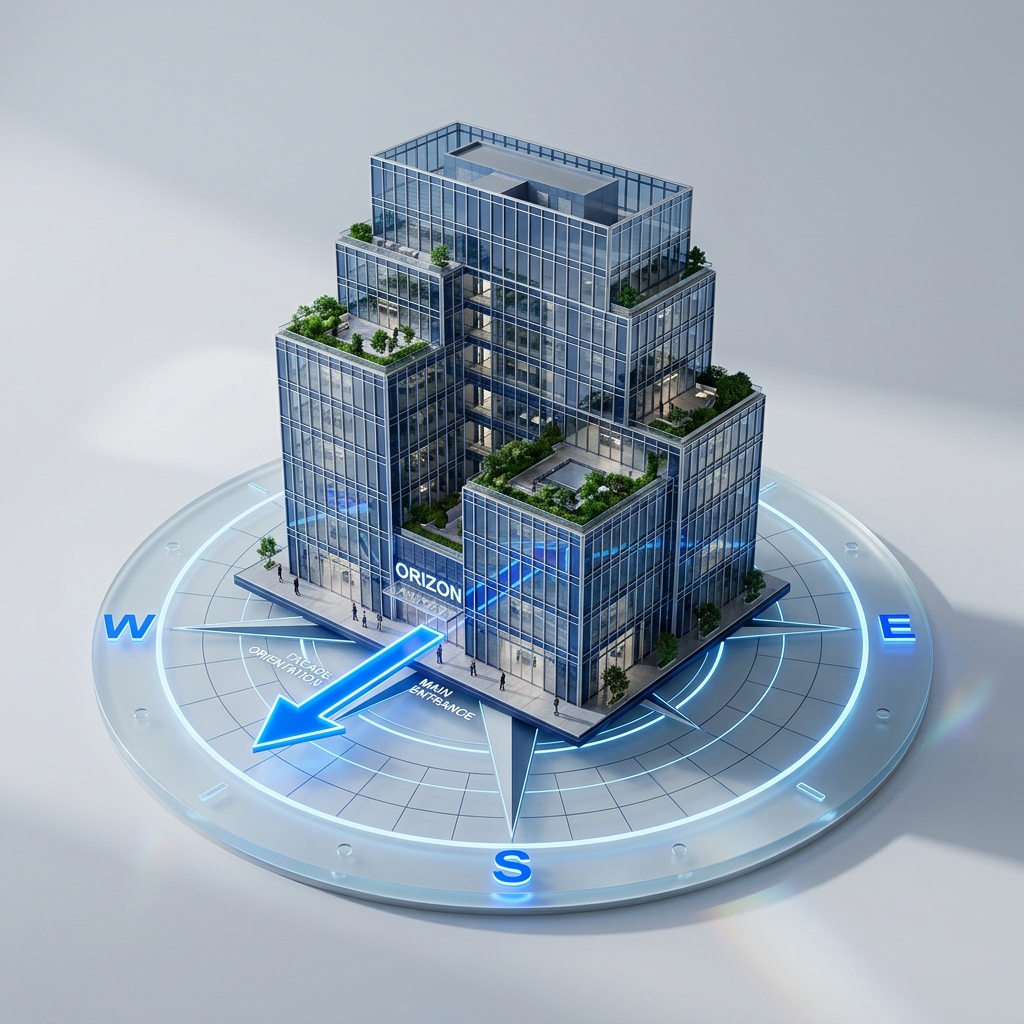
Connect orientation decisions to fenestration and shading choices.
Sun-exposed elevations require closer attention to glazing area, SHGC and shading. The aim is to avoid excessive unwanted heat gain while keeping useful daylight.
Orientation can influence window sizing, external shading, room placement and glazing specification.
Use orientation groups to test options before locking in window schedules.
A house has a street facade facing 18 degrees east of north, a rear facade facing south, and two side facades facing east and west.
Select the orientation that matches each outward-facing facade before checking SHGC or shading.
The result is a defensible orientation schedule that another reviewer can follow.
Solar-risk elevations are identified.
Pick the two highest-risk elevations on a sample plan.
Flag the missing evidence, use a conservative assumption where appropriate, and avoid claiming compliance until the information is confirmed.